How to Choose the Right uPVC Windows for a New Home
Building a new home is an exciting journey, and choosing the right windows is an important part of the process. Windows not only improve the appearance of your home but also affect ventilation, natural lighting, energy efficiency, security, and overall comfort.
Among the many window options available today, uPVC windows have become a popular choice for modern homes because they offer durability, low maintenance, weather resistance, and good insulation.
But with different designs, glass options, opening styles, and sizes available, how do you choose the right uPVC windows for your new home?
In this guide, we will discuss the key factors you should consider before selecting uPVC windows.
What Are uPVC Windows?
uPVC stands for Unplasticized Polyvinyl Chloride. It is a strong and durable material commonly used for manufacturing modern window and door frames.
Unlike traditional wooden frames, uPVC windows are resistant to moisture, termites, corrosion, and everyday weather conditions. They are also relatively easy to maintain, making them suitable for residential properties.
1. Consider the Window Style
The first step is to choose a window style that suits both your home design and functional requirements.
Some common uPVC window styles include:
-
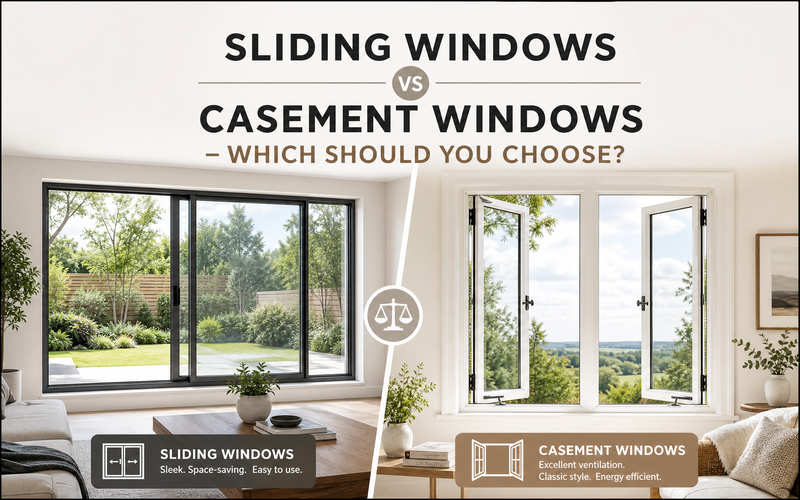
Casement Windows – Open outward and provide excellent ventilation.
-
Sliding Windows – Move horizontally and are suitable for areas where space is limited.
-
Fixed Windows – Do not open but provide maximum natural light and clear views.
-
Tilt and Turn Windows – Offer flexible opening options and good ventilation.
-
Combination Windows – Combine different window styles to create a customised design.
Choose the style based on the room, available space, ventilation requirements, and overall architectural design.
2. Choose the Right Glass
The glass used in your uPVC windows plays an important role in comfort, insulation, and energy efficiency.
Depending on your requirements, you can consider options such as:
-
Single glazing
-
Double glazing
-
Toughened glass
-
Laminated glass
-
Low-E glass
For homes located in areas with high temperatures or significant outdoor noise, double-glazed windows can be a useful option because they can improve thermal and acoustic insulation compared with basic single glazing.
3. Check the Window Size and Placement
Window size should be planned according to the room's layout and purpose.
For example, larger windows in living rooms can help bring in more natural light, while bedroom windows can be selected to provide a balance between ventilation, privacy, and daylight.
Before finalising the windows, consider:
-
Room size
-
Direction of sunlight
-
Ventilation
-
Furniture placement
-
Exterior views
-
Privacy requirements
Proper placement can make your home feel brighter, more spacious, and comfortable.
4. Look for Good Energy Efficiency
Windows can influence the amount of heat entering or escaping your home. Therefore, energy efficiency should be one of the important factors when selecting uPVC windows.
Look for windows with:
-
Quality uPVC profiles
-
Proper sealing systems
-
Multi-chamber profiles
-
Suitable glazing
-
Effective weather seals
A well-designed window system can help maintain a more comfortable indoor environment and may reduce the need for excessive use of air conditioning.
5. Prioritise Security
Security is another important consideration when choosing windows for a new home.
Look for uPVC windows with reliable locking systems and strong hardware. Multi-point locking mechanisms can provide additional security by securing the window at multiple points.
You should also ensure that the glass and frame are suitable for the security requirements of the particular room.
6. Consider Noise Reduction
If your home is located near a busy road, commercial area, school, railway line, or other noisy environment, sound insulation should be considered.
The right combination of uPVC profiles, seals, frame construction, and glazing can help reduce the amount of outside noise entering your home.
For homes in noisy locations, discuss acoustic glazing options with your window supplier before making a final decision.
7. Choose a Design That Matches Your Home
Windows are both functional and aesthetic elements of a building. The design you choose should complement the architecture of your home.
uPVC windows are available in different colours, finishes, configurations, and opening styles. You can select a design that matches your exterior walls, doors, flooring, and overall interior style.
A well-chosen window design can give your home a clean and modern appearance.
8. Check the Quality of the uPVC Profile
Not all uPVC window profiles are the same. The quality of the profile can influence the window's strength, durability, insulation, and performance.
When comparing products, ask about:
-
Profile quality
-
Number of chambers
-
Reinforcement
-
Weather resistance
-
UV resistance
-
Hardware quality
-
Manufacturing standards
Choosing a reliable window manufacturer or supplier can help ensure that you receive a product designed for long-term use.
9. Don't Ignore Hardware and Accessories
Window performance depends not only on the frame and glass but also on the quality of the hardware.
Handles, hinges, locks, rollers, gaskets, and other components should be durable and suitable for regular use.
High-quality hardware can improve smooth operation, security, and the overall lifespan of the window system.
10. Consider Maintenance Requirements
One of the advantages of uPVC windows is their relatively low maintenance requirement.
Unlike wooden windows, uPVC does not require regular painting or polishing. Regular cleaning of the frames, glass, drainage channels, and hardware is generally sufficient to keep the windows in good condition.
When selecting windows, ask the supplier about recommended cleaning and maintenance procedures.
11. Compare Cost and Long-Term Value
Price is an important factor, but it should not be the only consideration.
A cheaper window may not always provide the same level of durability, insulation, security, or hardware quality as a better-designed system.
Instead of comparing only the initial price, consider the overall value, including:
-
Product quality
-
Installation
-
Warranty
-
Energy efficiency
-
Maintenance
-
Hardware
-
Expected lifespan
Choosing a good-quality window system can be a better long-term investment for your home.
12. Choose a Reliable Installation Team
Even high-quality uPVC windows may not perform properly if they are installed incorrectly.
Professional installation helps ensure proper alignment, sealing, operation, and weather protection.
Before placing your order, check whether the supplier provides professional installation and after-sales support.
Quick Checklist for Choosing uPVC Windows
Before finalising your windows, consider the following checklist:
| Factor | What to Check |
|---|---|
| Window Style | Casement, sliding, fixed, tilt & turn |
| Glass | Single, double, toughened, laminated, Low-E |
| Profile | Quality and chamber configuration |
| Security | Locking system and hardware |
| Insulation | Thermal and acoustic performance |
| Design | Colour, finish, and overall appearance |
| Maintenance | Cleaning and upkeep requirements |
| Installation | Professional fitting |
| Warranty | Product and hardware coverage |
| Budget | Initial cost and long-term value |
Conclusion
Choosing the right uPVC windows for a new home requires more than simply selecting a design that looks attractive. You should consider factors such as window style, glass type, ventilation, energy efficiency, security, noise reduction, profile quality, maintenance, installation, and budget.
The right uPVC windows can enhance the appearance of your home while providing better comfort, natural light, ventilation, and long-term performance.
Before making your final decision, compare different options and discuss your home's specific requirements with a reliable uPVC window manufacturer or supplier. A professional recommendation can help you select a window system that suits your home's design, location, and lifestyle.